Продовольственная безопасность — это гораздо больше, чем просто наличие достаточного количества еды. Организация Объединенных Наций по продовольствию и сельскому хозяйству (ФАО) определяет продовольственную безопасность по четырем основным направлениям: доступность, доступ, использование истабильность— при этом безопасность является важнейшим аспектом использования.
Хотя заголовки часто фокусируются на урожайности сельскохозяйственных культур и запасах зерна,безопасность и качество пищевых продуктовНе менее важны и другие факторы. Загрязняющие вещества, микотоксины и дефектные зерна, попадающие в цепочку поставок, не только снижают коммерческую ценность зерна, но и представляют реальную опасность для здоровья потребителей.
Вот гдетехнология оптической сортировкистановится незаменимой линией обороны.
Скрытые угрозы в каждой партии зерна
На всех этапах — от сбора урожая до хранения и переработки — зерновые культуры сталкиваются со множеством рисков:
Иностранные материалы: стекло, металлические осколки, камни, пластмасса, пластиковые гранулы
Токсигенная плесень: зерна, зараженные Aspergillus flavus, которые могут содержать афлатоксины
Измененный цвет или поврежденные зерна: влияет на вкус, текстуру и качество конечного продукта
Поврежденные насекомыми зерна: потенциальные рассадники бактерий и вредителей
Удаление этих дефектов вручную в промышленных масштабах невозможно. Механические сита могут разделять материалы по размеру, но не могут различать их по цвету или типу материала. Именно поэтому современные технологические линии полагаются наоптические сортировщики.
Что такое оптический сортировщик и как он работает?
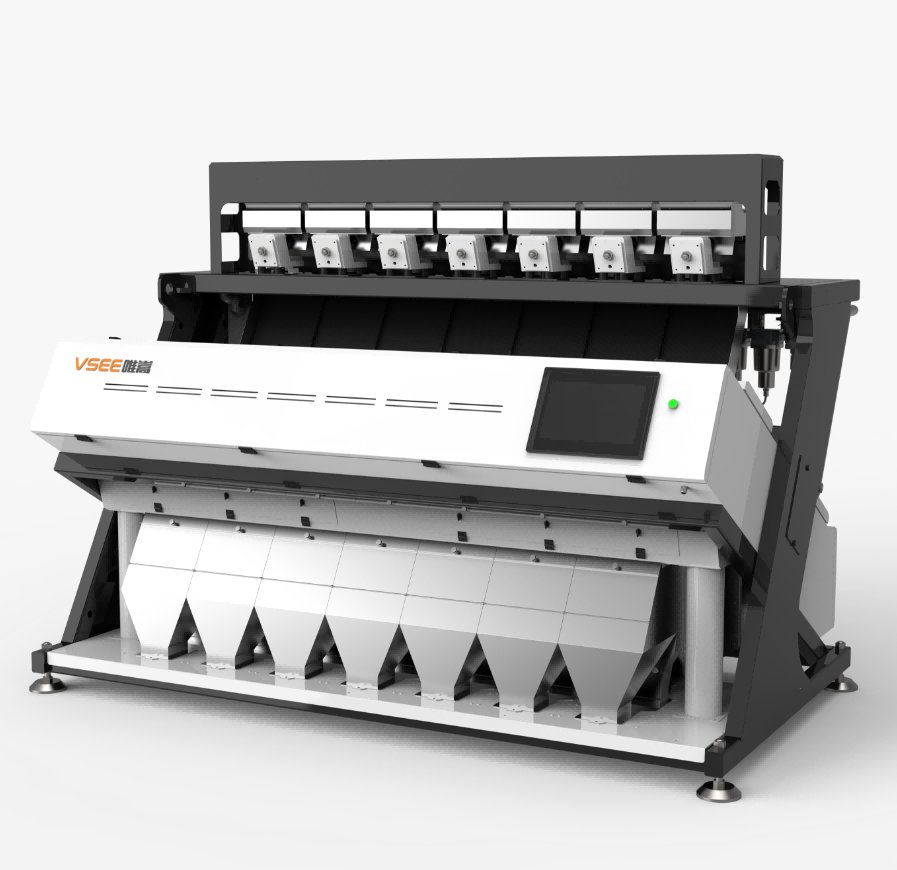
Оптический сортировщик, часто называемый цветовым сортировщиком, использует высокоскоростные камеры и обработку изображений для проверки каждой отдельной частицы, проходящей через устройство.
Процесс прост по своей сути, но чрезвычайно сложен в исполнении:
Кормление– Материал равномерно подается через вибрационный питатель.
Освещение– Мощные светодиодные лампы подсвечивают каждое зернышко.
Обнаружение– Камеры с высоким разрешением, использующие ПЗС- или КМОП-матрицы, позволяют захватывать цвет, форму и текстуру.
Анализ– Искусственный интеллект и передовые алгоритмы сравнивают каждый объект с заранее заданными стандартами.
Разделение– Точные воздушные струи выбрасывают дефектные или посторонние частицы в бункер для отходов, в то время как качественная продукция продолжает движение вниз по технологической цепочке.
Современные сортировочные машины способны обрабатывать десятки тысяч зерен в секунду с точностью, превышающей 99,99%.
Сортировщики риса по цвету: хранители основного продукта питания в мире
Рис является основным продуктом питания для более чем половины населения планеты. От неочищенного до полированного риса окончательная проверка качества происходит на всех этапах производства.сортировщик риса по цвету.
Высокопроизводительный сортировщик риса по цвету может эффективно удалять:
обесцвеченные зерна– желтый, красный, меловой или частично подрумяненный рис, влияющий на внешний вид и качество приготовления.
Иностранные материалы– стекло, пластик, пакетики с сухим силикагелем и даже мелкие камни
Незрелые или поврежденные зерна– в зависимости от модели сортировки и настроек
Для мукомольных предприятий это означает получение высококачественного риса, соответствующего экспортным стандартам и ожиданиям потребителей. Для потребителей это означает более безопасный и вкусный рис на столе.
На что обращать внимание при выборе сортировщика риса по цвету
Высокая точность– Точность сортировки выше 99,99% с минимальным отбраковкой качественного зерна (низкий коэффициент переноса).
Двусторонняя сортировка– камеры, расположенные сверху и снизу, для полного осмотра плоского или длиннозерного риса.
Интеллектуальные функции искусственного интеллекта– Самообучающиеся алгоритмы, адаптирующиеся к различным сортам риса без ручной настройки.
Сортировщики зерна по цвету: гибкие решения для различных сельскохозяйственных культур.
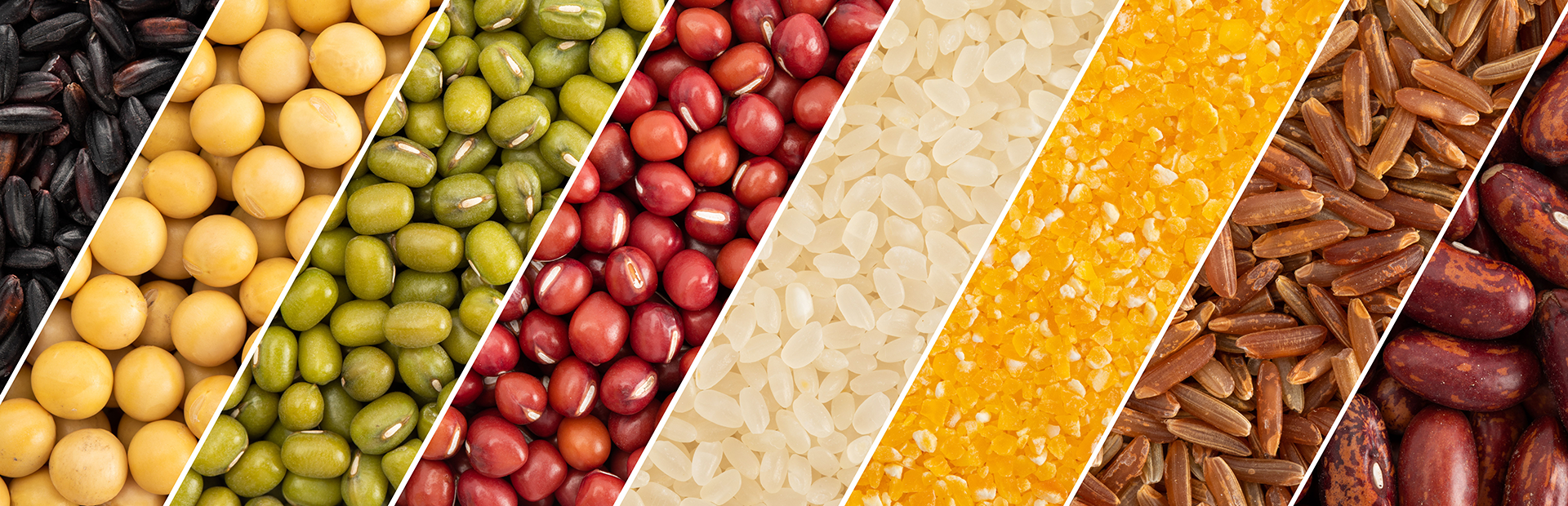
В отличие от риса,сортировщики зерна по цветуНеобходимо обрабатывать широкий спектр культур: маш, красную фасоль, нут, чечевицу, киноа, просо, овес, арахис, семена подсолнечника и многое другое. Каждая культура имеет уникальную форму, размер и текстуру поверхности.
Универсальная зерносортировочная машина предлагает:
Многоспектральная визуализация– стандартные RGB-камеры для обнаружения дефектов цвета, а также ближний инфракрасный диапазон (NIR) для определения состава материалов.
Морфологическая сортировка– обнаружение и удаление сморщенных, сломанных или деформированных зерен.
Быстрая смена настроек– Удобный интерфейс с предварительно сохраненными рецептами для десятков видов зерна.
Пример из реальной жизни: сортировка бобов мунг.
Свежие бобы мунг имеют ярко-зеленый цвет. Бобы, хранившиеся неправильно, приобретают тускло-оливковый оттенок или на них появляются коричневые пятна — для неопытного глаза они выглядят как здоровые бобы. Высокоточный сортировщик цвета способен различать эти тонкие оттенки и быстро отбраковывать бракованные бобы, гарантируя, что до покупателей попадет только продукция высшего качества.
От цвета к интеллекту: эволюция технологий сортировки.
За последнее десятилетие оптическая сортировка значительно продвинулась вперед, выйдя далеко за рамки простого распознавания цвета.
Современные самые совершенные сортировщики также способны выполнять следующие функции:
Сортировка по форме– выявить и удалить проросшие, почерневшие или поврежденные насекомыми зерна.
Внутреннее обнаружение дефектов– Технология ближнего инфракрасного диапазона (NIR) позволяет заглянуть внутрь ядра и обнаружить скрытую плесень или аномалии влажности.
Самостоятельная корректировка в реальном времени– Нет необходимости в частой ручной калибровке
Выбор подходящего сортировщика цветов для вашего бизнеса
Если вы занимаетесь переработкой зерна, переработкой риса или экспортом бобовых, выбор подходящего сортировочного оборудования — это стратегическое решение. Вот пять ключевых факторов, которые следует оценить:
1. Потребности в пропускной способности
Сопоставьте количество каналов с вашим ежедневным объемом обработки. Больше каналов = выше производительность.
2. Требования к точности сортировки
На премиум-рынках (например, в сегменте брендированной розничной торговли, при экспорте в Японию или ЕС) требуется точность выше 99,99%. Для производства сыпучих материалов или кормов для животных допускаются несколько более низкие значения.
3. Материальное разнообразие
Если вы перерабатываете только рис, то специализированная рисосортировочная машина идеально подойдет. Если же вы работаете с различными зерновыми культурами (соя, нут, просо и т. д.), то вам понадобится более специализированная машина.многоцелевой сортировщик зерна по цветус быстрым переключением рецептов.
4. Техническое обслуживание и расходные материалы
Светодиодные источники света, воздушные форсунки и электромагнитные клапаны имеют разный срок службы. Уточните ожидаемый срок службы и стоимость замены.
5. Интеллектуальные функции и удаленное обслуживание
Можно ли удаленно контролировать или настраивать машину? Есть ли у нее самообучающийся искусственный интеллект? Эти функции снижают нагрузку на оператора и повышают стабильность сортировки с течением времени.
Продовольственная безопасность начинается на сортировочном пункте.
Продовольственная безопасность — это общая ответственность: от фермеров и торговцев до переработчиков и розничных продавцов. Хотя оптические сортировщики не производят зерно, они играют незаменимую роль в:
Сокращение послеуборочных потерьпутем удаления дефектных зерен до того, как они загрязнят здоровые партии.
Защита здоровья потребителейпутем устранения физических загрязнений и зерна, содержащего афлатоксины.
Увеличение значенияс каждого урожая, что позволяет фермерам и мукомольным предприятиям устанавливать более высокие цены.
В мире, где глобальные цепочки поставок зерна становятся все длиннее и сложнее, доверие имеет первостепенное значение. Надежный сортировщик по цвету укрепляет это доверие — по одному зерну за раз.
Готовы защитить качество своего зерна?
Мы предлагаем полный спектр услугсортировщики риса по цветуисортировщики зерна по цветуПодходит для предприятий любого масштаба, от небольших мельниц до крупных промышленных заводов. Каждая машина обеспечивается глобальной технической поддержкой и поставкой оригинальных запасных частей.
[Ознакомьтесь с нашими моделями сортировщиков по цвету] или [Свяжитесь с нами] для получения индивидуальных рекомендаций, основанных на типе вашего зерна и потребностях в производительности.
Надежная сортировка. Более безопасные продукты питания. Более прочное будущее в сфере продовольствия.


 CN
CN русский
 English
 français
 español
 português
 ไทย
ไทย Indonesia
 Tiếng việt
 العربية
 فارسی
فارسی



 ПОДДЕРЖИВАЕМАЯ СЕТЬ