Введение
В современной переработке риса качество имеет первостепенное значение. Сортировочная машина для риса помогает удалять дефектные, обесцвеченные и посторонние зерна, обеспечивая потребителям рис высочайшего качества. В этом руководстве объясняется, как эффективно использовать сортировочную машину для риса, от настройки до технического обслуживания.
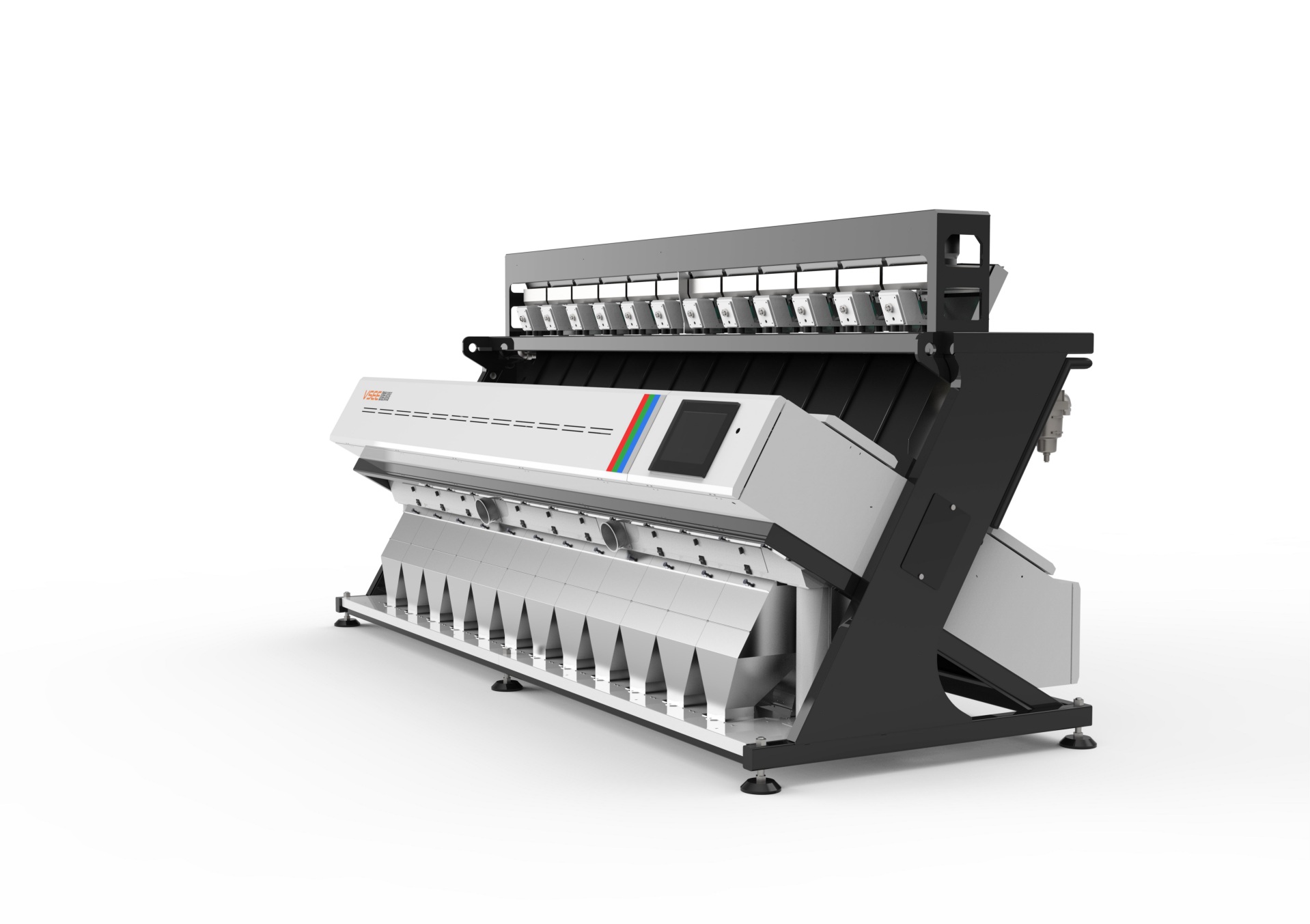
Что такое машина для сортировки риса по цвету?
Сортировщик риса по цвету — это оптическая система сортировки, использующая камеры и датчики для идентификации и удаления:
- Желтый, черный или меловой рис
- Заплесневелые или поврежденные зерна
- Посторонние материалы или примеси
Это улучшает внешний вид, качество и рыночную стоимость риса.
Шаг 1: Приготовьте рис
- Удалите камни, пыль и крупные загрязнения.
- Обеспечьте равномерный размер зерна.
- Снизьте содержание влаги.
- Удалите излишки битых зерен.
Правильная подготовка обеспечивает высокую точность сортировки.
Шаг 2: Запустите машину
- Проверьте блок питания и воздушный компрессор.
- Очистите линзы и проверьте желоба.
- Включите систему и дождитесь завершения самодиагностики.
Большинство устройств оснащены сенсорным экраном для упрощения настройки.
Шаг 3: Настройка параметров сортировки
- Чувствительность: Определяет строгость обнаружения дефектов
- Процент отказов: Устанавливает допустимый уровень отбраковки зерна.
- Режим продукта: Выберите белый, коричневый, пропаренный или специальный рис.
Современные машины часто оснащены предустановленными режимами сортировки.
Шаг 4: Загрузите рис в машину.
- Кормите ребенка рисом постепенно и регулярно.
- Избегайте перегрузки
- Контролируйте поток через желоба.
Стабильная подача обеспечивает точную сортировку.
Шаг 5: Мониторинг процесса сортировки
- Камеры фиксируют изображения зерен
- Программное обеспечение распознает различия в цвете.
- Воздушные эжекторы удаляют дефектные зерна.
- Принятый рис продолжает поступать на производство.
Регулярно проверяйте производительность, процент брака и давление воздуха.
Шаг 6: Проверка готовой продукции
- Убедитесь, что принимаемый рис соответствует стандартам качества.
- Проверяйте отбракованное зерно на предмет правильной сортировки.
- При необходимости отрегулируйте параметры.
Шаг 7: Выполните плановое техническое обслуживание
- Ежедневно: чистка линз, желобов, воздушных фильтров; проверка эжекторов и компрессора.
- Периодически: обновление программного обеспечения, калибровка датчиков, проверка электрических компонентов.
Надлежащее техническое обслуживание продлевает срок службы оборудования и обеспечивает его стабильную работу.
Передовые методы
- Используйте чистый, однородный рис.
- Поддерживайте стабильное давление воздуха.
- Обучите операторов настройкам оборудования.
- Регулярно калибруйте систему.
- Следуйте рекомендациям производителя по техническому обслуживанию.
Часто задаваемые вопросы: Машина для сортировки риса по цвету
В1: Какие виды риса можно сортировать с помощью цветового сортировщика?
A1: В машине можно сортировать белый, коричневый, пропаренный и специальные сорта риса, используя различные режимы.
В2: Как часто следует чистить машину?
A2: Линзы и желоба следует очищать ежедневно; калибровку датчиков и программного обеспечения следует проводить периодически.
В3: Какие дефекты может удалить сортировщик риса по цвету?
A3: Удаляет желтые, черные, меловые, заплесневелые зерна, дробленый рис и посторонние примеси.
Вопрос 4: Может ли перегрузка машины повлиять на точность сортировки?
A4: Да, избыточная подача снижает точность, поскольку датчики не могут должным образом проанализировать каждое зерно.
В5: Как оптимизировать работу оборудования для достижения максимальной эффективности?
A5: Используйте хорошо подготовленный рис, поддерживайте давление воздуха, очищайте оптику, калибруйте датчики и регулируйте чувствительность и процент отбраковки по мере необходимости.
О компании ANHUI VSEE OPTOELECTRONIC TECHNOLOGY CO.,LTD
Компания VSEE является ведущим производителем сортировочных машин по цвету, сортировщиков риса по цвету, оборудования для сортировки зерна и оптических сортировочных решений. Наши передовые технологии сортировки помогают предприятиям пищевой промышленности достигать более высокого качества продукции, повышать эффективность и прибыльность.
Ознакомьтесь с полным ассортиментом наших сортировочных решений на сайте www.ahvsee.com.


 CN
CN русский
 English
 français
 español
 português
 ไทย
ไทย Indonesia
 Tiếng việt
 العربية
 فارسی
فارسی




 ПОДДЕРЖИВАЕМАЯ СЕТЬ